Embroidery Pattern and Knitted Repeat: Business Merch Review
First Impressions: A Cozy, Textured Pattern Built for Handmade Brands
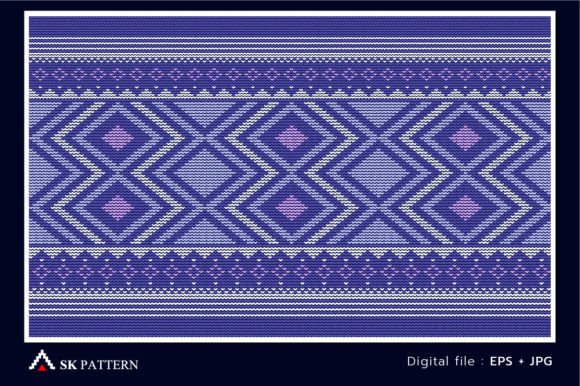
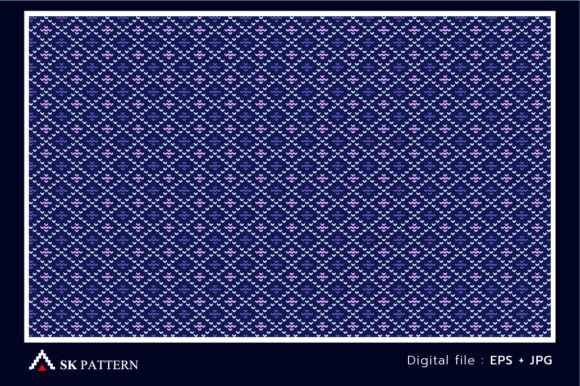
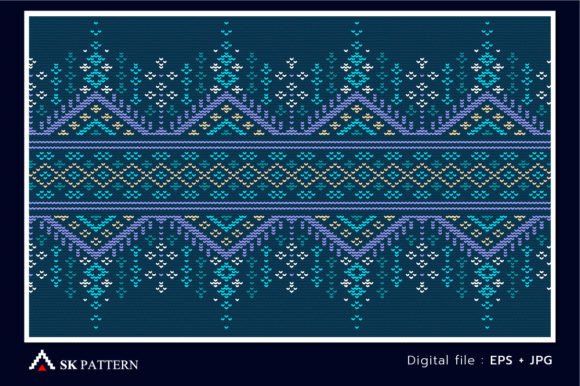
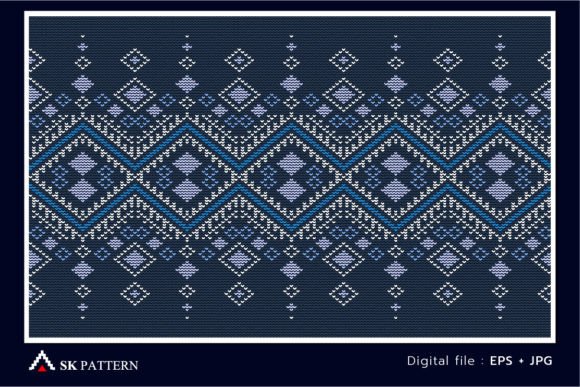
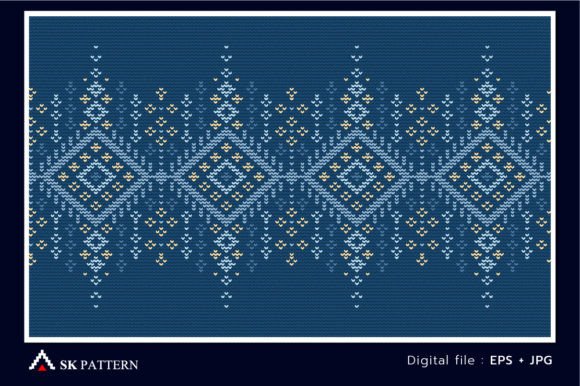
When I first opened the Embroidery Pattern and Knitted Repeat file, I immediately saw a design that leans into warmth, softness, and the kind of handmade charm that small businesses love. The pattern itself mimics a knitted fabric texture, with a repeating weave that feels both rustic and elegant. It’s not a loud, flashy graphic—it’s a quiet, confident pattern that can add a premium, tactile feel to almost any brand identity. For a boutique, a bakery, a florist, or a craft studio, this pattern has the potential to become the visual thread that ties all your merch together.
The file comes as an EPS and a JPEG, which means it’s a design asset created for Patterns and Graphics use—not a ready-to-stitch embroidery file. As an embroidery designer, that’s my first note: I’ll need to digitize this pattern into a machine embroidery design before it ever touches a needle. The knitted repeat itself is a smart choice for embroidery because it can be used as a fill, a background, or a subtle accent, and it translates beautifully into thread if you manage your stitch density and thread colors carefully.
Embroidered Patches and Branded Accents
One of the strongest uses for Embroidery Pattern and Knitted Repeat is as an embroidered patch. I can picture a small café sewing this onto staff aprons, or a handmade skincare brand adding it to canvas pouches. Because the design is a repeating knit texture, it can fill a patch shape with a rich, dimensional look that feels far more expensive than a flat printed logo. The key is to scale it just right—too small and the knit detail turns into a blur of stitches; too large and it might lose its cozy subtlety. For a small business merch line, a series of patches with this pattern as a background, paired with a simple monogram or logo overlay, would instantly elevate your custom apparel.
Apron, Cap, and Tote Bag Embroidery
When I think about branded product use, aprons and tote bags are where this pattern truly shines. A full-front apron with the knitted repeat stitched across the bib creates a high-end, artisan feel for a bakery or coffee shop. On a cap embroidery project, I’d use the pattern on the side or back panel, not the front curve, because the knit rows can warp on a sharply curved surface. Tote bag design is another natural fit—the pattern adds texture to blank canvas, making even a simple bag feel like a carefully crafted piece. The stitch density will need to be balanced so the fabric doesn’t pucker, but with the right stabilizer, the result is a durable, gorgeous finished product.
Custom Apparel and Staff Uniforms
For handmade product sellers and boutique owners, uniformity matters. I’ve used similar patterns on work shirts, polo sleeves, and even denim jacket collars. The Embroidery Pattern and Knitted Repeat works as a subtle sleeve accent or a chest pocket detail that whispers “premium” without shouting. Because it’s a repeat, you can use a section of it, not the whole pattern, which gives you flexibility. For a pet brand, the knit texture suggests warmth and comfort, perfect for a leash holder or a bandana. For a florist, it adds a homespun charm to a v-neck shirt. The pattern’s visual consistency helps reinforce brand identity across all merch items, making customers recognize your work instantly.
Small Patch Sizes and Curved Surfaces
Not every application is a winner. On a tiny one-inch patch, the knitted repeat detail can become a messy, high-density blob. I always test a design at multiple sizes before committing to a production run. Cap fronts are tricky because the curve distorts straight lines and repeating textures. If you must use it on a cap, keep the pattern on the flat side or back panels, and adjust the hoop size to avoid jumps. The embroidery file digitizing needs to respect the grain of the knit, so the rows don’t end up looking like a slanted mess.
Dark Fabrics and Frequent Washing
On dark uniforms, the contrast between thread and fabric can make or break the design. With a dense knit pattern, you need to choose thread colors that pop without overpowering. Too many light threads on black can look stark; too dark and the texture disappears. I also worry about washing. A high-stitch-count design on a work shirt that gets laundered every day can wear out faster. Always test on the actual fabric texture you’ll use, and run a few wash cycles on a sample before selling to a client. Proper backing and a soft stabilizer are non-negotiable.
How Embroidery Pattern and Knitted Repeat Elevates Brand Identity
As a designer, I don’t just look at a pattern—I look at what it communicates. The Embroidery Pattern and Knitted Repeat tells a story of comfort, craftsmanship, and care. When a customer picks up a handmade product with this stitched texture, they feel the quality before they even read a label. It builds trust, because it’s not a generic stock icon; it’s a pattern that feels intentional and cozy. For Etsy sellers and small studios, that emotional connection can turn a one-time buyer into a loyal fan. The visual consistency of using the same repeat across tote bags, aprons, and custom apparel also makes your brand look more professional and thought-out. Even your product packaging accents—like a small stitched tag on a gift wrap—can carry that same knit texture, tying everything together.
Practical Embroidery Design Notes Before You Stitch
Before you digitize and stitch Embroidery Pattern and Knitted Repeat for any business project, here’s my checklist as a commercial embroidery professional:
- Test in black and white first: Convert the pattern to grayscale so you can see if the contrast holds up without color. It reveals any weak areas in the repeat.
- Check small patch size readability: Scale the design down to 1.5 inches and see if the knit lines are still recognizable. If not, simplify the digitizing.
- Review thread color contrast: For light fabrics, stick to natural, warm tones. For dark fabrics, use a two-tone thread approach or a thicker outline to define the knit structure.
- Inspect spacing and knit rows: The repeat must be seamless. Any misalignment in the digital embroidery file will show as a visible break in the pattern.
- Confirm hoop size: A full apron bib might need a large hoop. Plan your design size accordingly and avoid floating sections that could shift.
- Test on real fabric: Canvas, denim, and cotton twill each behave differently. Always test on the exact fabric texture you’ll use for the final product.
- Use proper stabilizer: For dense knit fills, a cut-away stabilizer prevents puckering. For tote bags, a tear-away may work if the design is light.
- Create a mockup for client approval: Before you stitch a single thread, show a printable mockup of the pattern on the actual garment, so the client sees the scale and placement.
- Compare it beside other design assets: If this pattern is part of a larger branding kit, make sure it sits well with your logo, typography, and other graphics.
- Confirm commercial licensing: The product description doesn’t spell out full license terms. Before you use it on small business merch for sale, check with the original creator that commercial use is allowed.
Since the files are EPS and JPEG, you’ll need to work with a skilled digitizer to turn the graphic pattern into a machine embroidery design. Ask your digitizer about stitch density, pull compensation, and the best thread colors to replicate that knitted look. A well-digitized version will have a soft, directional stitch flow that mimics real knit lines.
Final Thoughts for Embroidery Shops and Small Business Owners
Embroidery Pattern and Knitted Repeat is a design asset that can quietly transform a basic uniform or tote bag into a branded piece with soul. It’s not a ready-to-stitch embroidery file, but for any embroidery shop willing to digitize it, the payoff is a unique, textured look that sets your merchandise apart. I’d use it for apron embroidery in a bakery, cap embroidery details for a streetwear line, or tote bag design for a craft fair. The pattern’s knit personality gives any small business a handmade, premium feel that customers notice and trust.
Just remember to test, scale thoughtfully, and treat the digitizing process as seriously as the stitch-out. When done right, this pattern becomes a silent brand ambassador—friendly, cozy, and unmistakably yours.